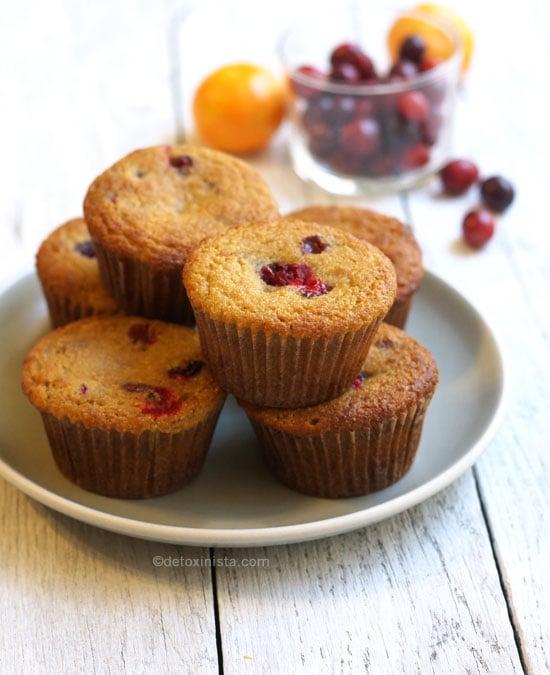
Mastering Coconut Flour: Your Guide to Perfect Paleo Orange Cranberry Muffins
Embarking on a journey into grain-free, dairy-free, and gluten-free baking can sometimes feel daunting, but it opens up a world of incredibly delicious and healthier treats. Few recipes encapsulate this better than the exquisite combination of vibrant orange and tart cranberries, especially when crafted into a light and fluffy muffin. These aren't just any muffins; we're talking about the ultimate
orange cranberry coconut flour muffins paleo-approved recipe that promises a burst of flavor with every bite. If you've been searching for a wholesome, naturally sweetened breakfast or snack that doesn't compromise on taste or texture, you've found your new favorite.
These muffins are more than just a seasonal delight; they're a testament to how simple, whole ingredients can come together to create something truly extraordinary. With the unique properties of coconut flour at its heart, this recipe delivers a muffin that is surprisingly moist, rich in flavor, and perfectly balanced between the sweetness of natural maple syrup and the zesty, tangy notes of fresh oranges and cranberries. Prepare to elevate your baking game and discover why these
paleo orange cranberry muffins have become a beloved staple in healthy kitchens everywhere.
The Magic of Coconut Flour in Paleo Baking
Coconut flour is a superstar ingredient in the world of grain-free and paleo baking, celebrated for its unique properties and nutritional benefits. Derived from dried, defatted coconut meat, this flour is an excellent source of fiber, low in carbohydrates, and completely gluten-free. For those following a paleo lifestyle, it offers a fantastic alternative to traditional grain-based flours, aligning perfectly with the dietary principles.
However, working with coconut flour is distinct from baking with almond flour or wheat flour, and understanding its nuances is key to achieving successful results.
- Exceptional Absorbency: Coconut flour is incredibly absorbent. A small amount goes a very long way, often requiring significantly less flour than what you might use in a recipe calling for traditional flours. This high absorbency is also why it demands a lot more liquid than you might expect.
- Structural Integrity: Unlike wheat flour, coconut flour contains no gluten, the protein network that gives baked goods their elasticity and structure. To compensate for this, recipes often call for a higher number of eggs. Eggs provide essential structure, moisture, and binding properties that are crucial for holding coconut flour baked goods together. Attempting to substitute eggs in a coconut flour recipe without understanding the flour's unique requirements can lead to crumbly, disappointing results.
- Economical Choice: Despite its unique properties, coconut flour can be quite economical. Because you use so much less of it per recipe, a single bag can last for numerous baking sessions, making it a cost-effective option for grain-free baking.
**Tips for Success with Coconut Flour:**
*
Measure Accurately: Precision is paramount. Always spoon coconut flour into your measuring cup and then level it off, rather than scooping directly from the bag, which can compact the flour and lead to an overly dry batter.
*
Resist Substitution: As mentioned, coconut flour is a one-of-a-kind flour. It's almost impossible to substitute it with other flours (like almond flour or cassava flour) on a 1:1 basis in recipes specifically designed for coconut flour. If you don't want to use coconut flour, it's generally better to find a different recipe or adapt one specifically formulated for your preferred flour.
*
Embrace Moisture: Don't be alarmed by the seemingly high amount of eggs, liquids, or fats in a coconut flour recipe. This is intentional and necessary to ensure your baked goods are moist and tender, not dry and dense.
Crafting Your Perfect Paleo Orange Cranberry Muffins
The synergy between zesty orange and tart cranberry is a match made in culinary heaven, especially during the colder months or holidays. This dynamic duo brings a vibrant freshness and balanced sweetness to these
naturally sweetened muffins, making them an irresistible treat. Here's a closer look at the key ingredients and process to create your own batch of delicious
grain-free muffins.
Ingredient Spotlight: The Pillars of Flavor and Structure
*
Coconut Flour: The star of the show, providing the grain-free base. Its high fiber content contributes to the satisfying nature of these muffins.
*
Eggs: Crucial for structure and moisture. They bind the ingredients together, preventing the muffins from crumbling and contributing to their tender texture.
*
Orange Juice & Zest: The essence of the orange flavor comes from both the juice (for moisture and tang) and the zest (for intense aromatic oils that provide a bright, zesty punch). Don't skip the zest – it makes a huge difference!
*
Maple Syrup: A paleo-friendly, natural sweetener that offers a deep, caramel-like sweetness without refined sugars. You can adjust the quantity slightly to suit your preference for sweetness.
*
Melted Coconut Oil: Adds healthy fats, richness, and moisture, contributing to the overall tender crumb of the muffins.
*
Vanilla Extract: Enhances all the other flavors, adding a warm, comforting note.
*
Baking Soda & Salt: The baking soda acts as a leavening agent, helping the muffins rise, while a pinch of salt balances the sweetness and brings out the other flavors.
*
Fresh Cranberries: These provide delightful bursts of tartness, cutting through the sweetness and adding a beautiful jewel-toned aesthetic. While fresh is best, frozen cranberries can be used directly from the freezer; just note they might slightly increase bake time.
The Muffin-Making Process: Simple Steps to Deliciousness
1.
Preheat and Prepare: Begin by preheating your oven to 350°F (175°C). Line a standard 12-cup muffin tin with baking cups. For coconut flour recipes,
silicone baking cups are highly recommended as they prevent sticking much better than parchment paper liners, which can sometimes adhere to the moist muffin texture.
2.
Combine Wet and Dry: In a large mixing bowl, combine the coconut flour, eggs, fresh orange juice, orange zest, maple syrup, melted coconut oil, vanilla extract, baking soda, and salt.
3.
Mix Thoroughly: Use a whisk to vigorously mix all the ingredients together. It’s important to whisk well to break up any potential clumps of coconut flour and ensure everything is fully incorporated into a smooth, thick batter. Coconut flour batters are naturally thicker than traditional batters.
4.
Fold in Cranberries: Gently fold in the fresh cranberries. Be careful not to overmix at this stage; just enough to distribute the cranberries evenly.
5.
Fill and Bake: Divide the batter evenly among the 12 prepared muffin cups. Bake for approximately 23-25 minutes, or until the edges are lightly golden, and the centers feel firm and springy when lightly touched. A toothpick inserted into the center should come out clean.
6.
Cool Down: This step is critical for coconut flour muffins. Allow the muffins to cool in the tin for at least 10 minutes before transferring them to a wire rack to cool completely. Cooling allows the muffins to set properly and prevents them from sticking or falling apart. Rushing this step is a common mistake that can lead to disappointment.
Tips for Achieving Muffin Perfection & Beyond
Baking with coconut flour offers a rewarding experience, but a few expert tips can ensure your
orange cranberry coconut flour muffins paleo come out perfectly every time.
Essential Baking & Storage Tips
*
The Right Muffin Liners: As highlighted, silicone baking cups are your best friend when working with coconut flour. Their non-stick properties make removal effortless, preserving the integrity of your moist muffins. If using paper liners, a light spray with coconut oil can help.
*
Don't Overmix, But Don't Undermix: While overmixing gluten-free batters isn't an issue in the same way it is with gluten-containing flours, you still want to mix until just combined. However, ensure there are no dry pockets of coconut flour. A thorough whisk initially is key.
*
Patience in Cooling: It bears repeating – patience during cooling is crucial. Coconut flour muffins are incredibly moist, and they need time to fully set and firm up after baking. Serving them too warm can result in a slightly gummy texture or cause them to stick to liners.
*
Optimal Storage: Due to their high moisture content, these
moist paleo muffins are best stored in the refrigerator. Place them in an airtight container once completely cooled. They will last for 4-5 days. For best flavor and texture, bring them back to room temperature (or gently warm them) before serving. They also freeze beautifully for longer storage – simply thaw at room temperature or warm slightly.
Customization and Serving Suggestions
*
Sweetener Adjustments: Feel free to adjust the amount of maple syrup to your sweetness preference. You could also experiment with other liquid paleo sweeteners like honey (though this might slightly alter the flavor profile).
*
Add-ins Galore: While perfect as is, these muffins welcome additions. Try folding in a handful of chopped walnuts or pecans for an extra crunch and nutty flavor. Paleo-friendly chocolate chips would also make a decadent addition.
*
Spice It Up: A pinch of cinnamon, nutmeg, or even a touch of ground ginger can complement the orange and cranberry flavors beautifully, especially during the autumn and winter months.
*
Serving Suggestions: These muffins are incredibly versatile. They make a fantastic on-the-go breakfast paired with a cup of coffee or tea. They're also an ideal healthy snack or a delightful addition to a brunch spread. For an extra treat, serve them with a dollop of coconut cream or a simple drizzle of an orange zest glaze made from a little orange juice and powdered paleo-friendly sweetener.
For more insights into crafting delightful grain-free treats, explore our comprehensive guide on
Paleo Orange Cranberry Coconut Flour Muffins: Grain-Free & Moist. And if you're keen on mastering other naturally sweetened delights, don't miss our article on
Naturally Sweetened & Delicious: Paleo Orange Cranberry Muffins, offering more inspiration for your healthy baking adventures.
Conclusion
These
orange cranberry coconut flour muffins paleo offer an exceptional blend of flavor, texture, and wholesome goodness. They embody the best of grain-free baking, proving that healthy choices can be utterly delicious and satisfying. By understanding the unique properties of coconut flour and embracing the vibrant combination of orange and cranberry, you can consistently bake perfect, moist muffins that will delight your family and friends. So, gather your ingredients, preheat your oven, and get ready to enjoy a batch of these truly remarkable
healthy breakfast muffins – your taste buds will thank you!